
Are Home Prices Really That High?
The Central Arkansas Housing Market
If you’ve been following the Central Arkansas housing market, you’ve probably heard a common concern:
“Home prices have gotten out of control.”
There’s some truth to that. National housing data shows that the median U.S. home price increased dramatically over the past decade, climbing from about $165,300 in 2012 to roughly $432,700 by 2025.
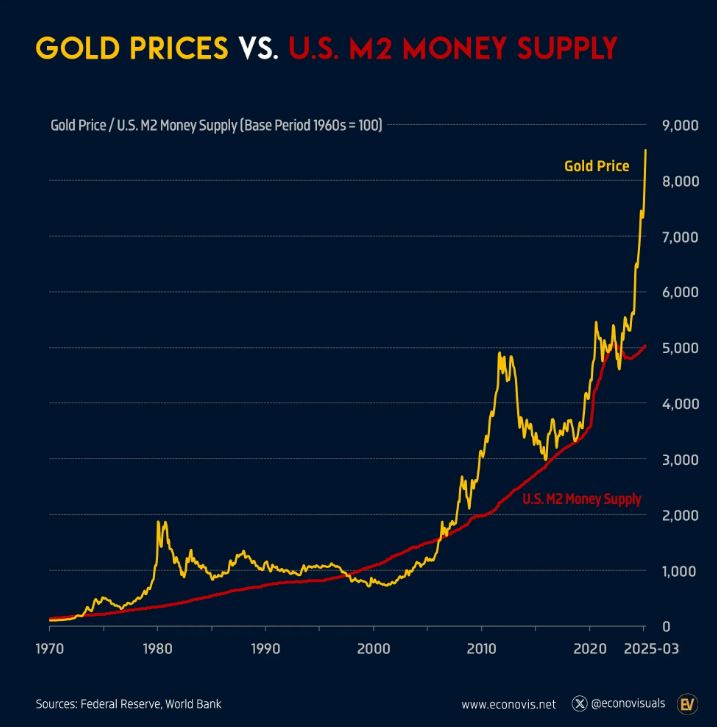
But an interesting analysis from real estate strategist Rob Hahn suggests we might be looking at housing prices the wrong way.
In his article, “Median House Prices, 1970-2025… in Gold,” Hahn compares home prices not in dollars, but in ounces of gold to better understand long-term value.
You can read the original analysis here: Notorious Rob on substack.com
This approach offers a fascinating perspective on what may actually be happening with housing affordability.
Measuring Home Prices in Gold Instead of Dollars
Most housing reports measure prices in U.S. dollars, which fluctuate in value due to inflation and monetary policy.
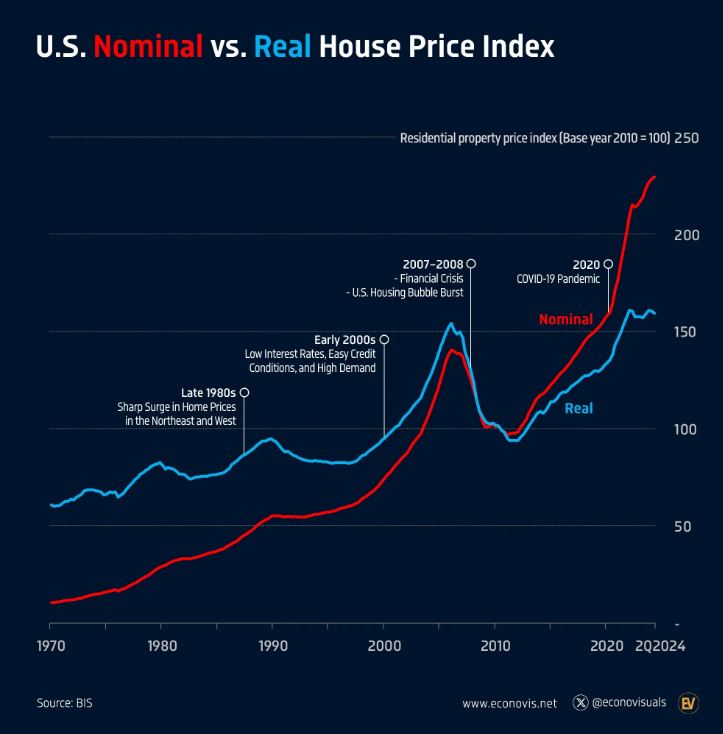
Gold, however, has historically been viewed as a long-term store of value. By measuring how many ounces of gold it takes to purchase the median home, analysts can compare housing values across decades in a different way.
According to the data highlighted in Hahn’s analysis:
In 1980, the median U.S. home cost about 105 ounces of gold.
In 2011, the median home cost about 105 ounces of gold again.
In 2025, the median home costs roughly 126 ounces of gold.
That’s a much smaller increase compared to the 162% rise in home prices when measured in dollars.
This suggests that some of the dramatic price increases we see today may be tied to inflation and currency changes, not just housing demand.
A Surprising Historical Comparison
One of the most interesting insights from the analysis is how housing compares to gold historically.
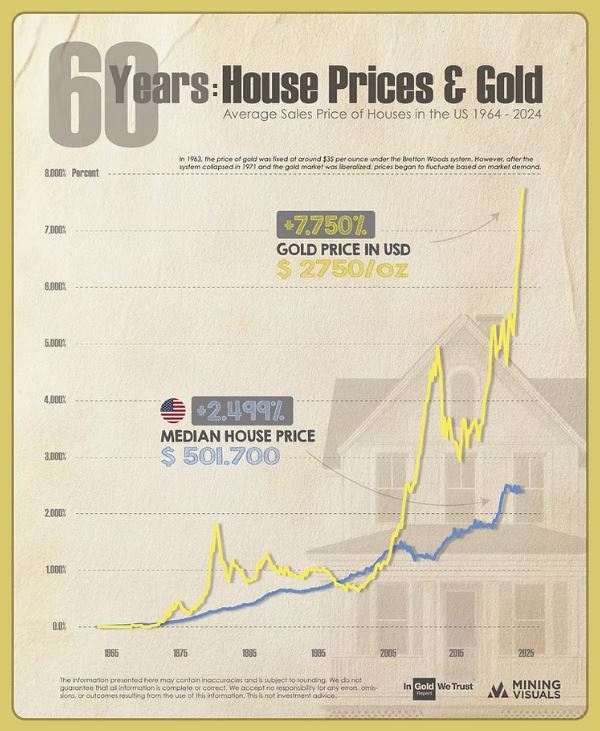
Around 2001, housing was extremely expensive relative to gold. At that time, the median home cost approximately 545 ounces of gold.
Fast forward to today, and that same median home costs roughly 126 ounces of gold.
In gold terms, that represents a major drop in relative value compared to the early 2000s.
Of course, that doesn’t mean homes feel cheap to today’s buyers. Rising interest rates, inflation, and affordability challenges still play a major role in how the market feels on the ground.
Why Housing Still Feels Expensive
Even with this alternative perspective, buyers in markets across the country — including Central Arkansas — still feel the pressure of affordability.
Here are a few key reasons.
Rising Interest Rates
Over the past few years, the Federal Reserve has increased interest rates dramatically to combat inflation.
Higher mortgage rates mean higher monthly payments, even when home prices stay relatively stable.
Inflation and Everyday Costs
Many families are feeling financial pressure from rising costs like:
groceries
gas
insurance
utilities
When everyday expenses increase, buyers naturally have less flexibility in their housing budgets.
Inventory Constraints
Housing supply has remained limited in many parts of the country.
In the Central Arkansas housing market, inventory levels can fluctuate, but limited supply still creates competition in desirable neighborhoods.
What This Means for Buyers in Central Arkansas
For first-time buyers and move-up buyers, the big takeaway is that real estate should be viewed as a long-term decision.
Markets move in cycles, but historically real estate has remained one of the most consistent ways to build wealth.
Owning a home provides:
long-term equity growth
protection against rising rents
stability in housing costs
potential appreciation over time
While no one can perfectly predict future market conditions, buyers who purchase with a long-term perspective often benefit the most.
What We’re Seeing in the Central Arkansas Housing Market
Locally, the Central Arkansas real estate market continues to offer opportunities for buyers who are prepared and working with the right strategy.
Areas like Little Rock, North Little Rock, Sherwood, Cabot, Jacksonville, Benton, & Bryant continue to see steady demand because of affordability compared to many larger metro areas.
For many buyers relocating from higher-cost states, Central Arkansas remains an attractive place to buy a home and build long-term value.
The Bottom Line
When you look only at prices in dollars, housing can seem extremely expensive.
But when analysts compare housing to long-term assets like gold, the story becomes more nuanced.
Inflation, interest rates, and currency value all play a role in shaping the housing market we see today.
Regardless of the economic environment, one thing remains true:
A home is more than just an investment — it’s a place to live, grow, and build your future.
Thinking About Buying or Selling in Central Arkansas?
Whether you’re a first-time buyer or planning your next move, understanding the market is the first step toward making a smart decision.
If you're researching the process, you may also find this helpful guide:
Buying a Home in Little Rock: 7 Key Steps for Arkansas Buyers
It walks through the key steps Arkansas buyers should understand before starting their home search.
If you’re considering buying or selling in the Central Arkansas housing market, I’d be happy to help you explore your options and build the right strategy.
Thinking about buying or selling in Central Arkansas? 📞 Call the Hawk —
Richard Hawkins | Hawk The Realtor | Fathom Realty Central | 10515 W Markham St Suite E3, Little Rock, AR 72205 | 501-291-1495 | HawkTheRealtor.net


